
Why I Switched to a Better Browser Wallet—and Why You Might Too
Whoa!
I remember the first time I signed a DeFi transaction in a crowded coffee shop on Main Street. My gut told me somethin’ felt off about the gas estimate and the origin of the prompt. Initially I thought the interface was just clunky, but then realized there were deeper permission and UX issues at play that other wallets gloss over. On one hand the ecosystem prizes convenience; on the other hand you really do need clarity when you hand over a signature, though actually—user control matters more than flashy features.
Really?
Okay, so check this out—browser-extension wallets are the on-ramp to everything in DeFi today. They let you hop between networks fast and sign transactions without moving funds to exchanges, and people love that fluidity. But my instinct said “watch the approvals” after a near-miss where I almost approved a token spend for way more than intended. Something about that moment stuck with me, and it made me re-evaluate what I was using.
Hmm…
I’ve used several wallets over the years, but one pattern kept repeating: confusing permission prompts and hidden defaults that favored convenience over security. At first I accepted that trade-off, thinking speed mattered more, but then a small loss taught me a lesson that stuck. Actually, wait—let me rephrase that: speed without transparency is a liability, and transparency without good UX is useless, so the sweet spot is both clarity and usability combined in a smart way.
Here’s the thing.
Rabby wallet caught my attention because it focuses on real user problems like approval management, transaction simulation, and easy hardware-wallet pairing. I like that the design speaks plain English—no dense developer jargon—and still surfaces the technical bits when you want them. I’m biased, but I appreciate features that prevent costly mistakes, because preventing a bad trade or accidental approval saves more than optimizing a few milliseconds on a swap. New York traders and Silicon Valley devs both want speed, sure, but they also want confidence when they hit “confirm”.
Whoa!
Let me walk through what stood out to me practically: first, the approval flow that lets you revoke or limit token allowances. That single control reduced my anxiety instantly. Second, batch transaction preview and a clear gas breakdown helped me avoid overpaying during sudden mempool spikes. Third, the way accounts and networks are organized felt like a tidy filing cabinet—simple, but powerful when you’ve got five chains and six accounts in play.
Really?
Yes, and there are small conveniences that matter: keyboard shortcuts that don’t feel tacked on, a notification that isn’t intrusive but actually useful, and integration with hardware wallets that didn’t require a PhD in config. At scale, these conveniences prevent mistakes, and I’ve found that good ergonomics reduce cognitive load during fast trading sessions. My instinct said this matters more than a cool splash screen, and experience proved it right.
Hmm…
Security-wise, the wallet keeps private keys in the browser extension sandbox, and supports connecting to Ledger or other devices for signing, which is a standard I look for. I ran a couple of honest checks—nothing fancy, just routine sanity tests—and the codebase feels well-maintained with frequent updates. On one hand it’s not enough to blindly trust anyone, though actually checking update cadence and community chatter gave me more confidence than screenshots or promises ever could.
Here’s the thing.
If you’re wondering how to get started without tripping over malicious clones, there’s a straightforward path: use verified sources and double-check extension IDs when possible. I downloaded the extension and followed setup steps that included simple backup phrases and optional extra-passphrase choices for accounts. It wasn’t perfect—there were moments I had to pause and re-read prompts—but that pause made me think twice before approving a complex multisig transaction, and that saved me from a dumb mistake.
Whoa!
Let me be candid: nothing is bulletproof, and I still review transactions manually—always. I bought into wallets before and paid the price, so now I’m cautious. Some features bug me, like occasional UI clutter where they could’ve simplified a dialog, but those are cosmetic relative to avoiding a compromised approval. I’m not 100% sure this is the final wallet I’ll use forever, but for now it reduces friction and risk in ways that matter to me.
Really?
The wallet also supports token tracking and price alerts, which helps me keep an eye on positions without logging into a dozen platforms. The transaction simulation layer gave me a surprising “aha!” moment when it flagged a failed swap before I signed it, saving me gas. For traders who move quickly, that kind of guardrail is worth more than a minor UI polish, because it directly conserves funds and time.
Hmm…
Community and support make a difference too; the team engages on forums and responds to issues promptly. That responsiveness matters when a network update or RPC change breaks something, because you want fixes and clear guidance fast. On the flip side, decentralization means no one is obligated to bail you out, so basic self-reliance—backups, hardware keys, careful approvals—remains your best defense.
Here’s the thing.
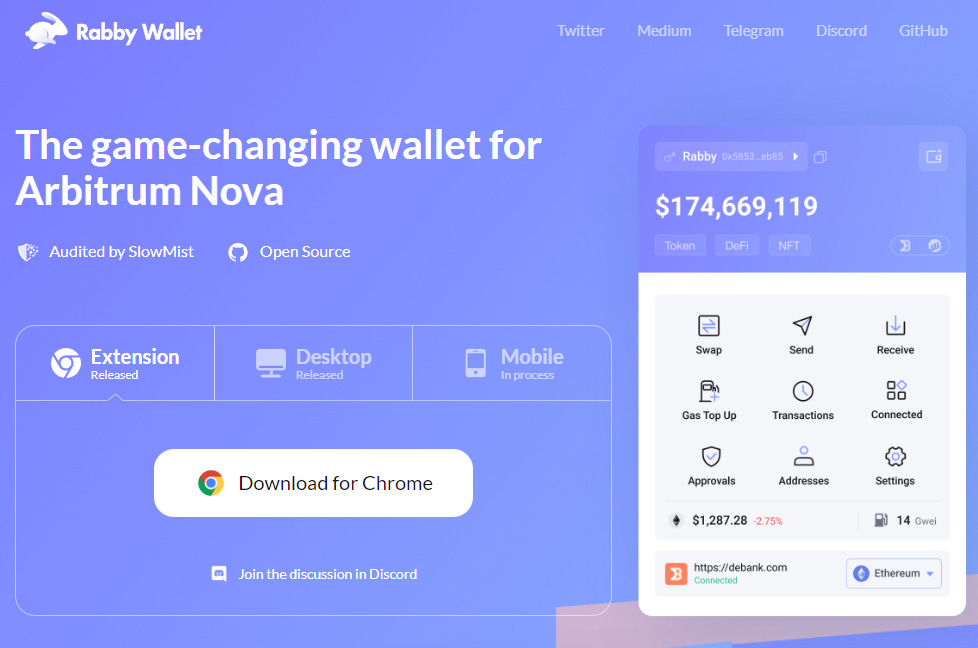
If you want to try it for yourself, go slow at first: create a separate account for trials, set conservative approval limits, and practice connecting to a hardware wallet. For a practical download and setup reference I found the official page clear and safe to use, and you can read up more at rabby wallet. I’m saying that because having a single, trusted source matters more than chasing every new feature.
My takeaway—and a few honest caveats
Whoa!
I’m enthusiastic about wallets that prioritize user control, but I also stay skeptical enough to audit my own practices monthly. Wallets evolve quickly and sometimes introduce features that feel good but open new attack surfaces. Personally, I run periodic checks, keep hardware keys offline when possible, and use separate accounts for different protocols—it’s simple compartmentalization that helps.
Really?
Yes—do the basics well: backups, hardware wallets, review approvals, and keep a small test balance for new dApps. If you treat your extension wallet like a live bank account, your behavior will shift toward safer habits naturally. My habit of pausing before confirming has prevented more headaches than any single app setting.
Hmm…
At the end of the day I like tools that respect users as decision-makers, not as passive signers of whatever prompt appears. That mentality is why I stuck with this wallet for daily use, and why I recommend giving it a trial run—mindfully. Some things I’ll keep watching: permission defaults, third-party integrations, and ongoing code audits. I worry about complacency in security, so I try to stay curious and cautious…and you should too.
FAQ
Is this wallet safe for large balances?
Use hardware wallets for the lion’s share of funds; browser extensions are great for active trades and testing, but long-term holdings belong offline. Also set tight token approvals and keep multiple backups.
Can I use it on multiple chains?
Yes, it supports many EVM-compatible chains and makes network switching fairly seamless, though double-check RPC endpoints and gas estimates during big moves.
What if I see a suspicious approval?
Revoke immediately where possible, move funds if needed, and change keys for affected accounts; prevention is better but quick reaction limits damage.